Hgdb ynu Database
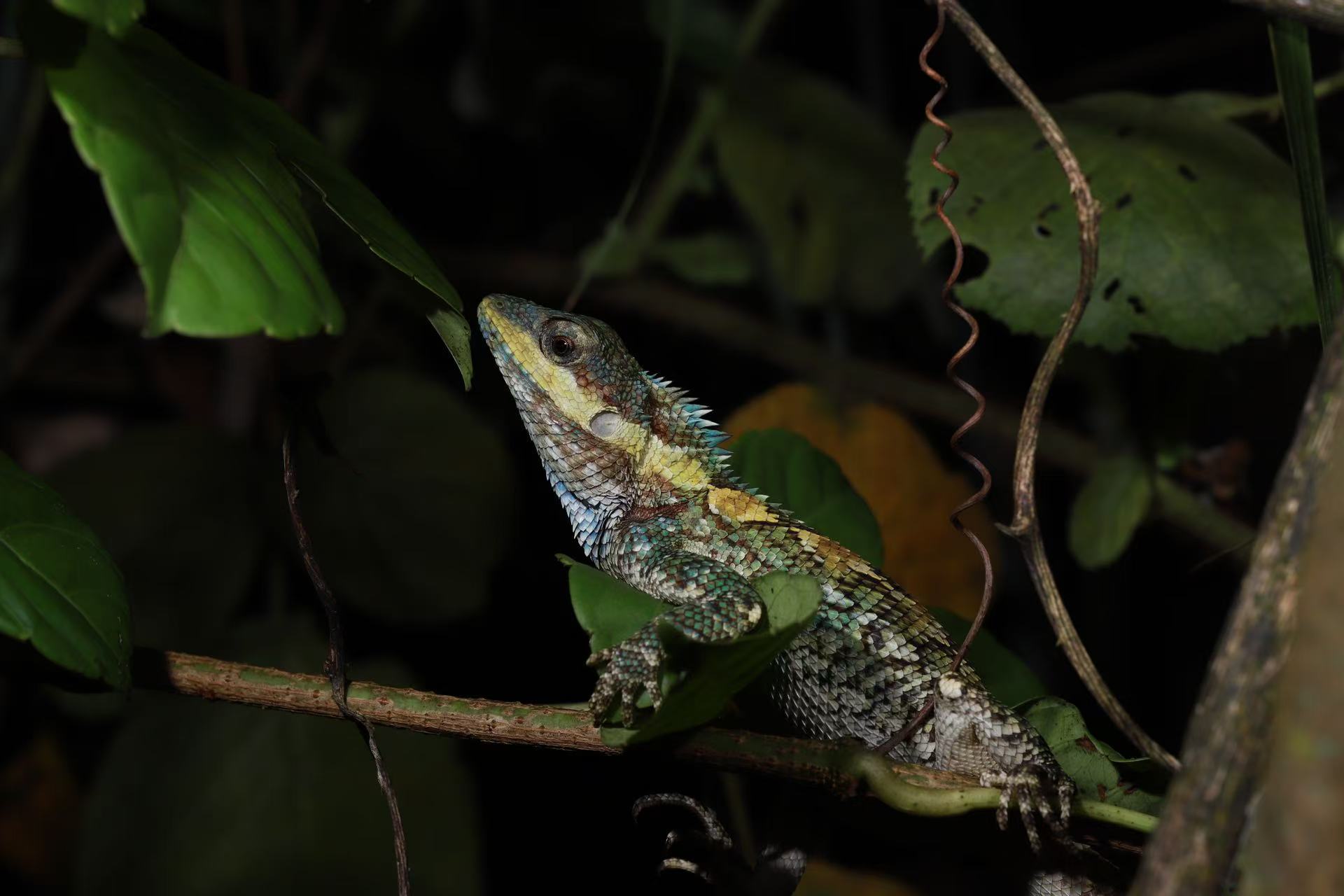
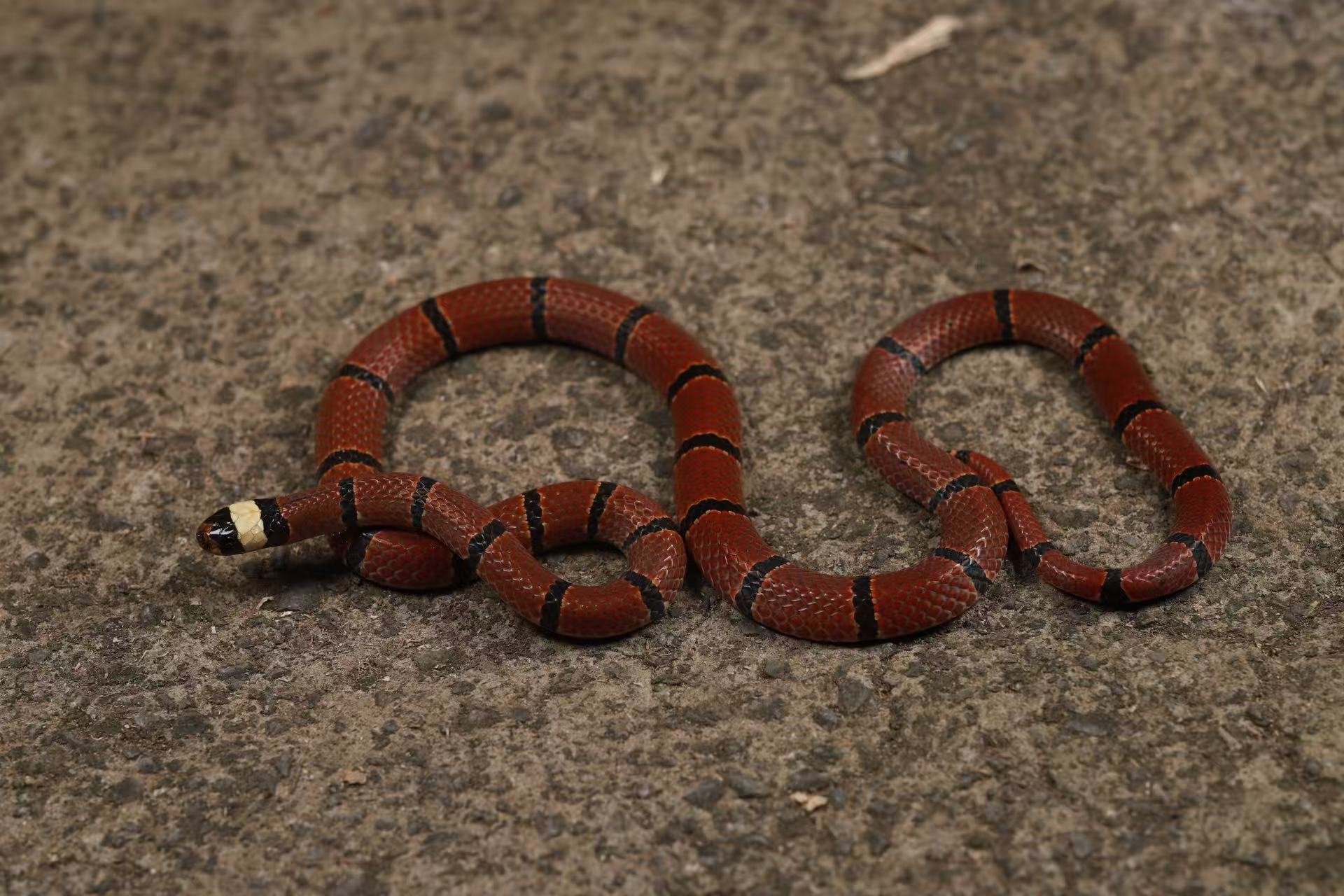

Snakes, as known as the limbless and elongated crawlers, successfully invaded almost all continents except for the polar regions with extant 3900 species spanning more than 30 families. They are efficient hunters and function as a significant balancer in the ecosystem. Since derived from their burrowing ancestor, snakes have evolved massive remarkable traits such as the limbless and elongated body, the unique chemo and thermo-perception and the unparalleled eating behavior, which all together distinguish them from the majority of other squamates (lizards and worm lizards). Snake Multiomic Database (SMD) is a user friendly visual website that integrated Snake Genome Project (SGP) multiomic data and other worldwide public data. The SMD collects and reports more than 30 snake genomes data and more than 180 samples of RNA-seq data. Each snake family where at least one species genome was sequenced and assembled to chromosome level is set JBrowser Table Browser to visual one represented genome.
Reference: http://hgdbynu.com/

Array
(
[id] => 5
[menu_id] => 16
[user_id] => 1
[title] => Family Agamidae
[ex_title] =>
[is_verify] => 1
[image] => upload/Page/202601/451623803695b1946f3f97.jpg
[thumb] => upload/thumbs/202601/451623803695b1946f3f97_1048384813_400_300_3.jpg
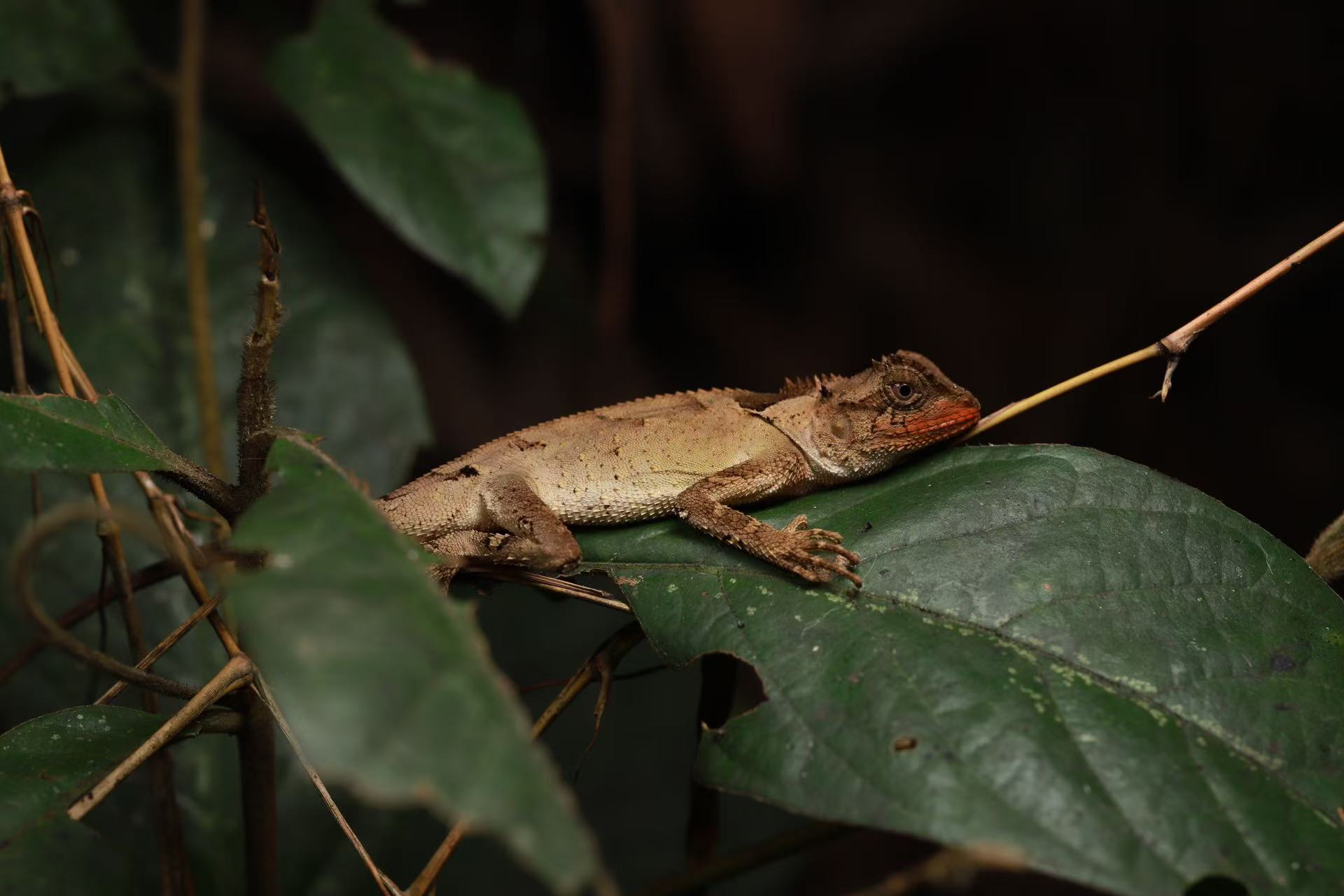
[content] => This widespread and diverse group of lizards is often referred to as the old world iguanids. They are widespread throughout the paleotropics and Palearctic, though their range does not extend far into Europe and they seem to have been recently introduced to Madagascar. Agamidae contains two subfamilies, approximately 52 genera, and more than 350 species.
Agamids have experienced independent radiations of form and size on each of Africa, Asia, and Australia. All agamids have well-developed limbs, and many have keeled scales, middorsal crests, and throat flaps or fans. They range in size from tiny (14 mm snout-vent length in Amphibolurus microlepidotus ) to quite large (145 cm total length in the water dragon Hydrosaurus amboinensis ). Diagnostic features for the group are in contention, but may include paired, enlarged sternal fontanelles. Like the chameleons, but unlike other iguanians, agamids have acrodont teeth. Several additional characters are shared with chameleons, including reticular lingual papillae, reduced postfrontals, the expansion of the dentary onto labial face of the coronoid, shortened spenial, loss of pterygoid teeth, and the anterior surangular foramen ventral to the posterior extremity of the dentary.
Reference:
Heying, H. 2003. "Agamidae" (On-line), Animal Diversity Web. Accessed January 5, 2026 at https://animaldiversity.org/accounts/Agamidae/